
Enquiry
You send the product, your specification, the volume and where it has to arrive. If something is unclear, we ask before we quote.
Trace minerals, macro minerals and feed phosphates for premix manufacturers, feed mills and distributors. Natural manganese dioxide filter media for iron and manganese removal. Sourced from producers we qualify ourselves, managed from Rotterdam and delivered to your plant or your port.
 Hannover, 10–13 November
Book a meeting
Hannover, 10–13 November
Book a meeting
Animal Feed
Feed grade trace minerals, macro minerals and phosphates for premix, compound feed and mineral blends. Open a product to see its typical specification, or download the data sheet as a PDF. Availability, grade and origin are confirmed with every quotation.
Standard sources for premix and compound feed.
The most concentrated zinc source in common use, and the usual carrier of zinc in premix. Zinc in complete feed is capped at 150 mg per kg across the European Union, which is what sets the inclusion rate rather than the grade itself.
| Parameter | Typical specification |
|---|---|
| Zinc oxide (ZnO) | min. 89.6% |
| Zinc (Zn) | min. 72.0% |
| Iron (Fe) | max. 1.0% |
| Calcium oxide (CaO) | max. 1.0% |
| Copper (Cu) | max. 0.1% |
| Chloride (Cl) | max. 0.05% |
| Lead (Pb) | max. 0.04% |
| Arsenic (As) | max. 0.01% |
| Cadmium (Cd) | max. 0.003% |
| Fineness through 80 mesh | min. 85.0% |
| Dioxins | max. 0.75 ng WHO PCDD/F TEQ per kg |
| Packing | 25 kg bags or big bags |
Values are typical. The binding specification is the certificate of analysis issued for the lot supplied.
| Parameter | Typical specification |
|---|---|
| Manganese (Mn) | min. 60.0% |
| Lead (Pb) | max. 100 ppm |
| Arsenic (As) | max. 75.0 ppm |
| Cadmium (Cd) | max. 22.0 ppm |
| Mercury (Hg) | max. 0.5 ppm |
| Dioxins, furans and PCBs | max. 1.5 ng per kg |
| Particle size | 100% below 1.0 mm (16 mesh) |
| Packing | 25 kg bags or big bags |
Category 3b, Annex I of Regulation (EC) 1831/2003. Values are typical. The binding specification is the certificate of analysis issued for the lot supplied.
Copper sources are quoted against the maximum copper contents set by Regulation (EU) 2018/1039, which differ by species and age. Tell us the species, the inclusion rate and the volume, and we will send the producer data sheet together with the offer.
Where higher solubility or a specific source is required.
The soluble manganese source. Lower in manganese than the oxide, because roughly a third of the weight is sulphate and water, but it goes into solution readily, which is what matters where the premix is dosed in liquid form.
| Parameter | Typical specification |
|---|---|
| Appearance | White to light pink powder |
| Purity | min. 98.7% |
| Manganese (Mn) | min. 32.0% |
| Moisture | max. 0.30% |
| Water insoluble matter at pH 5 | max. 0.1% |
| Iron (Fe) | max. 50 ppm |
| Lead (Pb) | max. 10 ppm |
| Cadmium (Cd) | max. 2 ppm |
| Arsenic (As) | max. 2 ppm |
| Mercury (Hg) | max. 0.1 ppm |
| Particle size | min. 80% through 200 BSS |
| Bulk density | 0.90 to 1.70 g/cm³ |
| Solubility | Highly soluble in water |
| Packing | 25 kg bags or big bags |
Values are typical. The binding specification is the certificate of analysis issued for the lot supplied.
| Parameter | Typical specification |
|---|---|
| Appearance | Light grey to off white granular |
| Flow | Free flowing and dust free |
| Ferrous sulphate monohydrate | min. 91.4% |
| Iron (Fe) | min. 30.0% |
| Lead (Pb) | max. 15 ppm |
| Cadmium (Cd) | max. 10 ppm |
| Arsenic (As) | max. 2 ppm |
| Mercury (Hg) | max. 0.1 ppm |
| Particle size | 20 to 40 mesh |
| Bulk density | 1500 kg/m³ |
The nutritional iron source authorised for feed use in the European Union. Values are typical. The binding specification is the certificate of analysis issued for the lot supplied.
| Parameter | Typical specification |
|---|---|
| Copper (Cu) | min. 25.2% |
| Iron (Fe) | max. 0.2% |
| Chloride (Cl) | max. 500 ppm |
| Sulphate (SO₄) | max. 0.04% |
| Insolubles in MEA | max. 0.5% |
| Packing | 25 kg bags or big bags |
Maximum copper contents in complete feed are set by Regulation (EU) 2018/1039 and differ by species and age. Values are typical. The binding specification is the certificate of analysis issued for the lot supplied.
The soluble zinc source, used where the premix is dosed in liquid form or where a fine powder distributes better than the oxide. Zinc in complete feed is capped at 150 mg per kg across the European Union, which is what sets the inclusion rate.
| Parameter | Typical specification |
|---|---|
| Appearance | White powder |
| Zinc (Zn) | min. 35.5% |
| Iron (Fe) | max. 20 ppm |
| Copper (Cu) | max. 15 ppm |
| Lead (Pb) | max. 20 ppm |
| Cadmium (Cd) | max. 10 ppm |
| Packing | 25 kg bags or big bags |
Values are typical. The binding specification is the certificate of analysis issued for the lot supplied.
Lower solubility sources, used where a carbonate form is preferred.
A manganese source that adds neither sulphate nor chloride to the formulation, which is the reason it is specified over the sulphate in some blends. Ground fine, at 95% through 80 mesh.
| Parameter | Typical specification |
|---|---|
| Appearance | Rose to light brown powder |
| Manganese (Mn) | min. 43.5% |
| Chloride (Cl) | max. 0.6% |
| Sulphate (SO₄) | max. 0.01% |
| Chromium (Cr) | max. 20 mg/kg |
| Lead (Pb) | max. 20 mg/kg |
| Arsenic (As) | max. 10 mg/kg |
| Cadmium (Cd) | max. 10 mg/kg |
| Mercury (Hg) | max. 0.1 mg/kg |
| Particle size | 95% through 80 mesh (180 micron) |
| Packing | Big bags |
Values are typical. The binding specification is the certificate of analysis issued for the lot supplied.
Authorised in the European Union for ruminants, horses and rabbits only, and supplied in granulated form to control dusting. Data sheet sent with the offer.
Quoted by calcium content and particle size, which differ widely between a layer grit and a fine ground grade. Tell us the application and we will match the grade.
Supplied in the forms authorised under EU feed additive legislation.
Total selenium in complete feed is capped at 0.5 mg per kg in the European Union, so this product is handled as a low inclusion additive with strict traceability. Data sheet and handling notes sent with the offer.
The iodine source most used in European premix. Maximum iodine contents differ by species under Regulation (EU) 2015/861. Data sheet sent with the offer.
Bulk minerals for compound feed and mineral blends.
The concentrated magnesium source, at least 54% magnesium, used in ruminant rations and wherever magnesium has to be delivered without bringing sulphate or chloride with it.
| Parameter | Typical specification |
|---|---|
| Magnesium oxide (MgO) | min. 90.0% |
| Magnesium (Mg) | min. 54.0% |
| Silicon dioxide (SiO₂) | max. 5.0% |
| Iron oxide (Fe₂O₃) | max. 4.0% |
| Calcium oxide (CaO) | max. 2.5% |
| Aluminium oxide (Al₂O₃) | max. 1.0% |
| Loss on ignition | max. 1.0% |
| Particle size | 12 mesh |
| Packing | Bags, big bags or bulk |
Values are typical. The binding specification is the certificate of analysis issued for the lot supplied.
Epsom salt. Carries sulphur alongside the magnesium, which is what makes it the choice when both are wanted. Just over half the weight is water of crystallisation, so the magnesium content is far below that of the oxide and the inclusion rate has to be set accordingly.
| Parameter | Typical specification |
|---|---|
| Appearance | White crystal |
| Purity | min. 99.5% |
| Magnesium (Mg) | min. 9.80% |
| Sulphur (S) | min. 12.90% |
| pH | 5.5 to 7.5 |
| Loss on ignition | 49 to 50% |
| Grain size | 35 mesh |
| Fluorine (F) | max. 150 mg/kg |
| Nitrites as sodium nitrite | max. 15 mg/kg |
| Lead (Pb) | max. 10 mg/kg |
| Cadmium (Cd) | max. 2 mg/kg |
| Arsenic (As) | max. 1 mg/kg |
| Mercury (Hg) | max. 0.1 mg/kg |
| Dioxins | max. 0.75 ng/kg |
| Dioxins and dioxin like PCBs | max. 1.0 ng/kg |
| Non dioxin like PCBs | max. 10 µg/kg |
| Packing | 25 kg bags or big bags |
Values are typical. The binding specification is the certificate of analysis issued for the lot supplied.
| Parameter | Typical specification |
|---|---|
| Appearance | White granular hygroscopic solid |
| Calcium chloride (CaCl₂) | min. 93.0% |
| Magnesium and alkali salts | max. 5.0% |
| Moisture | max. 4.0% |
| Other impurities | max. 0.4% |
| Through 16 mesh | min. 40.0% |
| Through 20 mesh | min. 85.0% |
| Bulk density | 680 to 820 kg/m³ |
| Packing | 25 kg bags or big bags |
The product is hygroscopic and has to be kept sealed and dry. Values are typical. The binding specification is the certificate of analysis issued for the lot supplied.
Natural gypsum, ground for feed use. Calcium and sulphur in a single material, and widely used as a carrier and flow agent in premix.
| Parameter | Typical specification |
|---|---|
| Gypsum | 93.7% |
| Calcium (Ca) | 22.2% |
| Sulphur (S) | 17.8% |
| Carbonate | 1.5% |
| Silica | 0.9% |
| Chlorides | None detected |
| Moisture | max. 1.0% |
| Bulk density | approx. 1840 kg/m³ |
| Packing | 25 kg bags or big bags |
Values are typical. The binding specification is the certificate of analysis issued for the lot supplied.
The standard potassium source, and the one normally used to correct the dietary cation anion balance. Carries potassium without the sodium load of salt, which is what makes it useful in poultry and in dairy rations under heat stress.
| Parameter | Typical specification |
|---|---|
| Appearance | White crystalline solid |
| Potassium chloride (KCl) | min. 98.2% |
| Potassium oxide equivalent (K₂O) | min. 62.0% |
| Potassium (K) | 51.6% |
| Sodium chloride (NaCl) | 1.44% |
| Sodium (Na) | 0.6% |
| Calcium (Ca) | 0.015% |
| Magnesium (Mg) | 0.004% |
| Sulphate (SO₄) | 0.04% |
| Water insolubles | 0.02% |
| Moisture | max. 0.5% |
| Bulk density | 1120 to 1150 kg/m³ |
| Angle of repose | 24 to 28° |
| Packing | 25 kg bags, big bags or bulk |
Values are typical. The binding specification is the certificate of analysis issued for the lot supplied.
Used as a buffer in dairy and as a sodium source. Quoted by grade and particle size. Data sheet sent with the offer.
Phosphorus and calcium sources for poultry, swine and ruminant diets.
The highest phosphorus availability of the three feed phosphates, and the one that grows fastest in European monogastric diets. Quoted by phosphorus and calcium content, granulation and origin. Data sheet sent with the offer.
The largest feed phosphate category by volume in Europe. Quoted by phosphorus and calcium content, granulation and origin. Data sheet sent with the offer.
A blend of the two forms above, used where availability and cost have to be balanced. Data sheet sent with the offer.
Traded under the same GMP+ scope as the mineral range.
Choline delivered on a corn cob carrier rather than as the 70% liquid. The dry form stays free flowing, handles normally in a dry premix line, and avoids the storage and handling problems that come with the liquid.
| Parameter | Typical specification |
|---|---|
| Choline chloride | min. 60.0% |
| Carrier | Vegetable, mainly corn cobs |
| Moisture | max. 2.0% |
| Fineness | min. 95% through 20 mesh |
| Texture | Medium fine |
| Bulk density | approx. 500 kg/m³ |
| Packing | 25 kg bags or big bags |
Values are typical. The binding specification is the certificate of analysis issued for the lot supplied.
The list above is where we operate most often. It is not a limit.
If you buy a mineral raw material that is not shown here, send us the specification and the volume you need. We will look for it and tell you honestly whether we can supply it.
The figures shown are typical values from the producers we work with. The binding specification for any shipment is the certificate of analysis issued for that lot, which travels with the goods.
Water Treatment
Our second line of business. Natural manganese dioxide (MnO2) is a filter medium widely used across Europe to remove iron and manganese from groundwater and drinking water. We supply it to water treatment companies, filter builders and distributors, with the same sourcing discipline and documentation as our feed range.
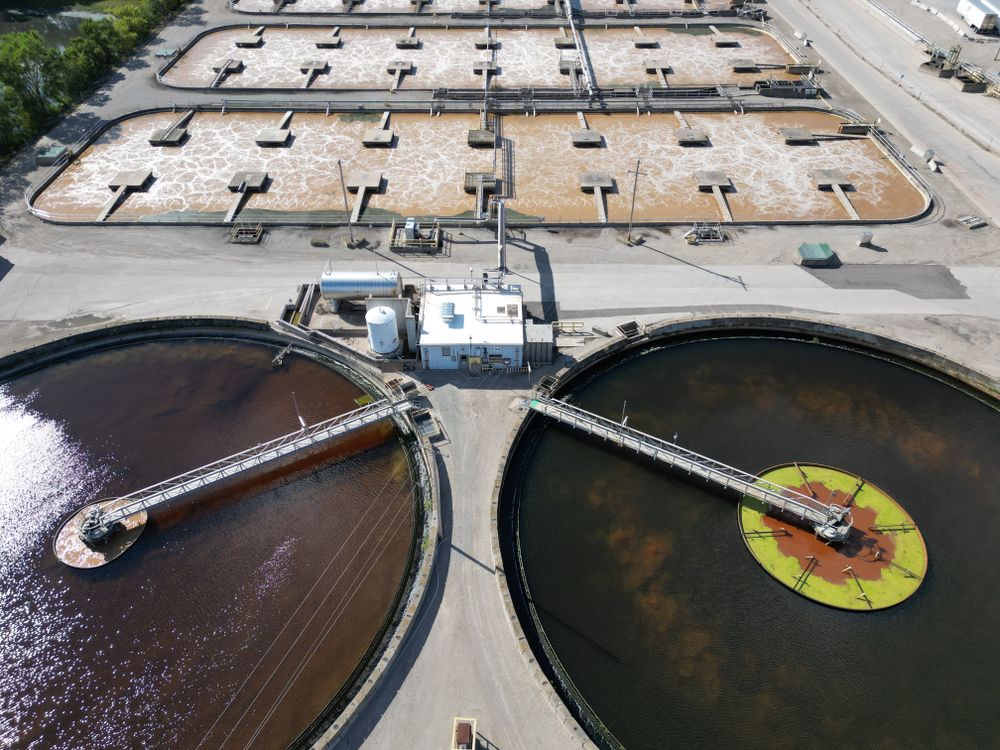
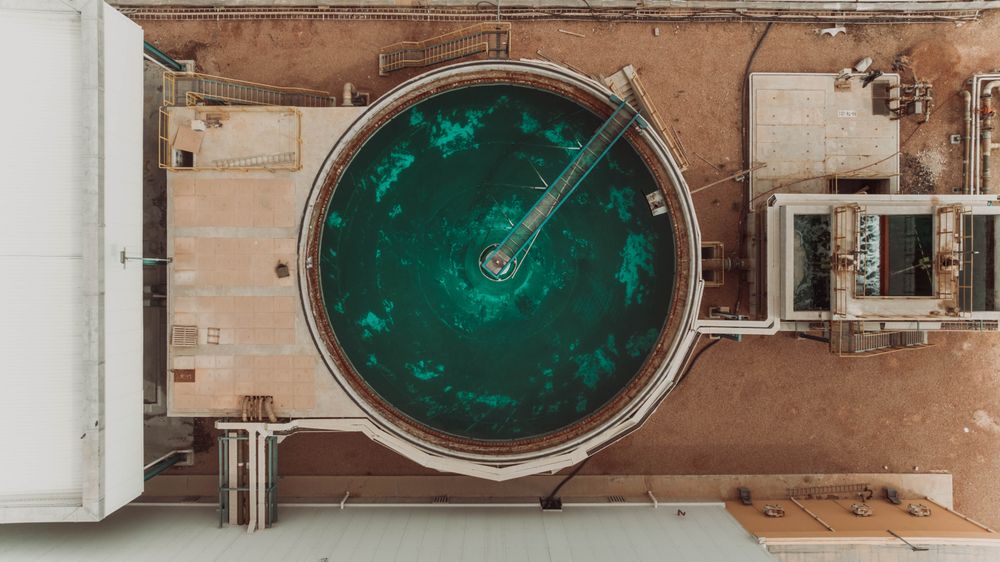
The media works by catalysis rather than by being consumed. Dissolved iron and manganese are oxidised at the grain surface and held back in the filter bed, which is then recovered by backwashing. Part of the arsenic, aluminium and hydrogen sulphide present in the raw water is removed along with them.
Crushed and graded natural ore, with nothing added to it. The 0.5 to 1.0 mm cut is the general purpose grain for iron and manganese removal beds. If your bed design calls for a different range, tell us the range with the enquiry.
| Parameter | Typical specification |
|---|---|
| Manganese dioxide (MnO₂) | 78% |
| Iron oxide (Fe₂O₃) | 6.2% |
| Silicon dioxide (SiO₂) | 5.2% |
| Aluminium oxide (Al₂O₃) | 3.1% |
| Moisture | max. 1% |
| Colour | Dark brown to black |
| Grain size | 0.5 to 1.0 mm |
| Bulk density | 2000 kg/m³ |
| Specific gravity | 3.5 g/cm³ |
| Packing | 25 kg bags on pallets, or 1 tonne big bags |
Values are typical. The binding specification is the certificate of analysis issued for the lot supplied.
| Parameter | Typical specification |
|---|---|
| Appearance | Black powder |
| Manganese dioxide (MnO₂) | min. 72% |
| Manganese (Mn) | min. 47% |
| Silicon dioxide (SiO₂) | max. 10% |
| Iron (Fe) | max. 5% |
| Calcium (Ca) | max. 0.7% |
| Carbon (C) | max. 0.15% |
| Sulphur trioxide (SO₃) | max. 0.1% |
| Lead (Pb) | max. 0.01% |
| Arsenic (As) | max. 0.01% |
| Cadmium (Cd) | max. 0.01% |
| Mercury (Hg) | max. 0.0002% |
| Packing | Big bags |
Also used in battery production and in agricultural applications. Values are typical. The binding specification is the certificate of analysis issued for the lot supplied.
These are the values the media is normally run at. The final bed depth, blend ratio and backwash cycle depend on the raw water analysis and on the vessel, and should be set by the plant designer.
Who We Are
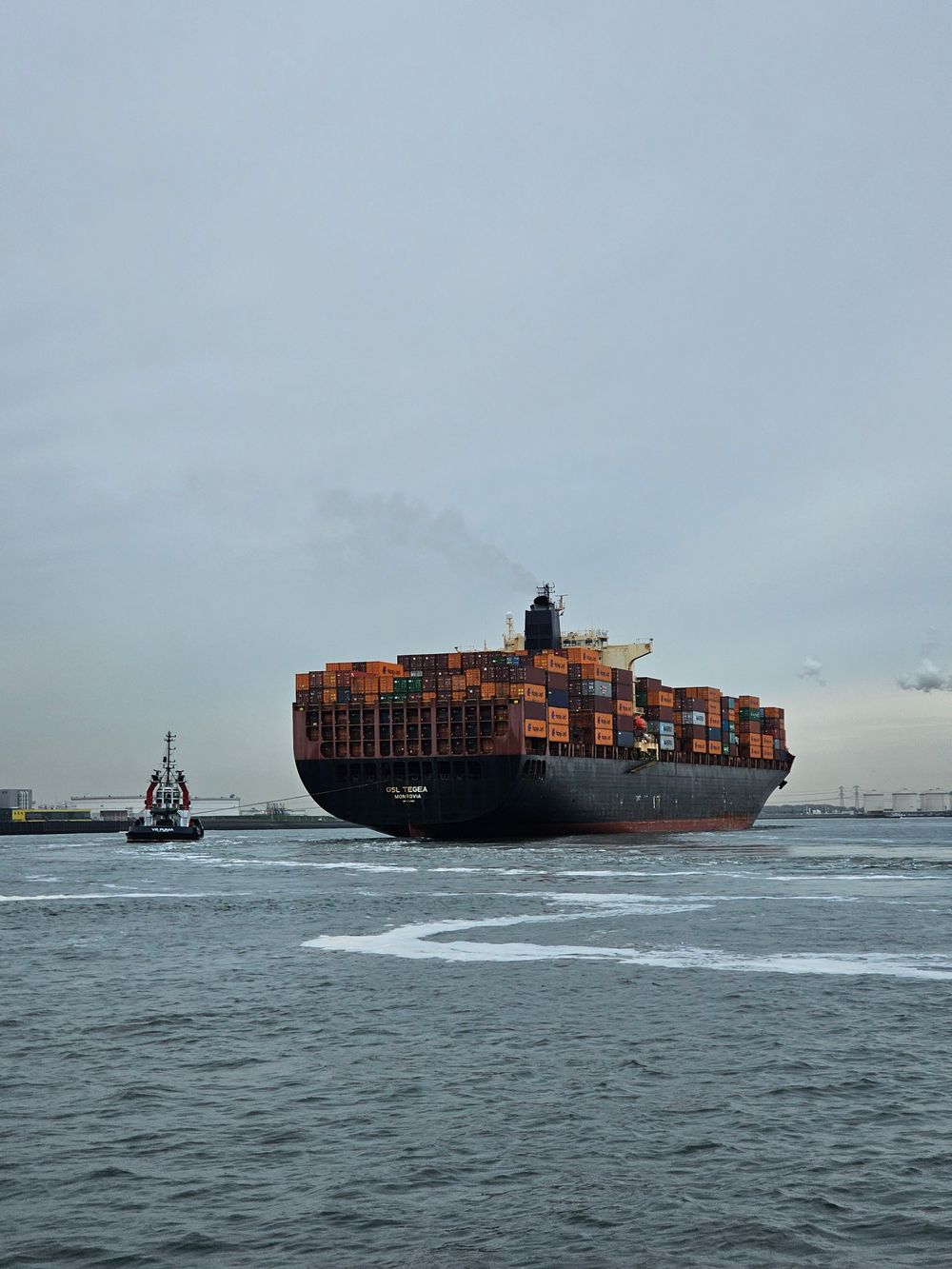
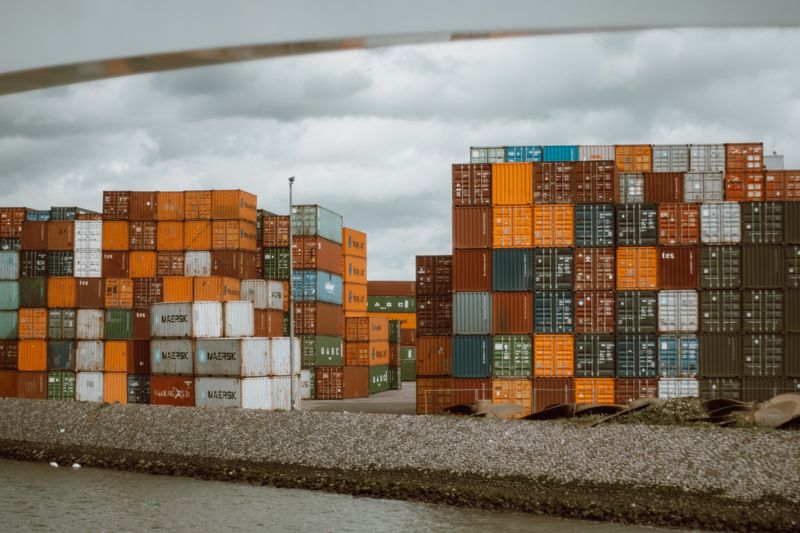
Most mineral raw materials used in European feed and water treatment are produced far from where they are used. Between the producer and your plant there is a specification to match, a certificate of analysis to check, a freight route, customs clearance and the paperwork for each step.
Tracer Gate manages that chain for you, with one point of contact in Europe.
Our team comes from the mineral industry and international trade. We know how these products are made, which parameters vary from lot to lot and which documents your quality department will ask for. If a specification or a delivery date is at risk, you hear it from us before the goods are shipped.
The Process
From the first enquiry to delivery at your site, the same person at Tracer Gate follows your order.
You send the product, your specification, the volume and where it has to arrive. If something is unclear, we ask before we quote.
We check your specification against producers we have qualified and confirm grade, availability and lead time.
You receive a written offer with price, incoterm, packing, lead time and the documents that travel with the goods.
Freight is booked and the shipping documents are prepared in parallel, so the paperwork is ready before the goods arrive.
Delivery at your port of discharge (CIF) or at your plant (DDP), with the certificate of analysis for the lot.
What We Do
Sourcing, quality documentation, logistics and commercial terms, handled by one team.
We buy from producers we have assessed ourselves: the plant, the quality system and the consistency from lot to lot. Where a material allows it, we keep more than one qualified source, so a stoppage at one producer does not stop your production.
Tracer Gate is GMP+ FSA certified for trade in feed materials and feed additives. Every lot ships with its certificate of analysis, and we provide the documents your quality department needs for supplier approval. We know the EU limits that apply to each trace element and species, and where a specification tends to fail.
We deliver DDP to your plant across Europe, the USA and Canada, and CIF to the port you name anywhere else. Packing in big bags or as you specify, with the route chosen per shipment for cost and lead time.
Spot purchases and recurring supply programmes are both possible. Volume, packing and delivery frequency are agreed per client, in line with how you plan production.
Incoterms
Two standard ways to buy from us. Both are quoted with freight and documents included, so the price on the offer is the price at the agreed delivery point.
Across the whole of Europe, the USA and Canada we sell DDP. We take the goods from the producer to your gate, and we carry the freight, the import clearance, the duties and the inland leg. You receive the material, check it against the certificate of analysis and nothing else has to be arranged on your side.
To every other country we sell CIF. We arrange the ocean freight and the cargo insurance to the discharge port you name, and we hand over a clean set of shipping documents. Your own broker takes it from there, which is how most buyers outside Europe, the USA and Canada prefer to work.
Whichever term applies, the goods travel under our GMP+ Feed Safety Assurance scope and the documentation is prepared to the standard a European buyer expects.
Assurance
Tracer Gate operates under GMP+ Feed Safety Assurance. Copies of our certificate are available on request.
Scope and validity can be verified in the GMP+ International company database.
Get in Touch
Send us the product, your specification and the volume. Tell us where the goods need to arrive and the offer will include delivery.

Tell us the product, the volume and where it has to arrive. Every request is answered personally.